Krefeld used to be the silk city. For two hundred years this town on the lower Rhine
did one thing better than anywhere else in Europe: it took a thread nobody thought
much of and turned it into something people saved up a year for.
That is the whole idea, and we did not invent it. We just refused to let it stay in
the textile mills.
Dust of Gods started the way most stubborn things start — with a pile of material that
somebody else had written off. A gutted leather jacket. A stack of corten steel boxes
that had crossed the Pacific eleven times. A slab of Makrana marble with a crack running
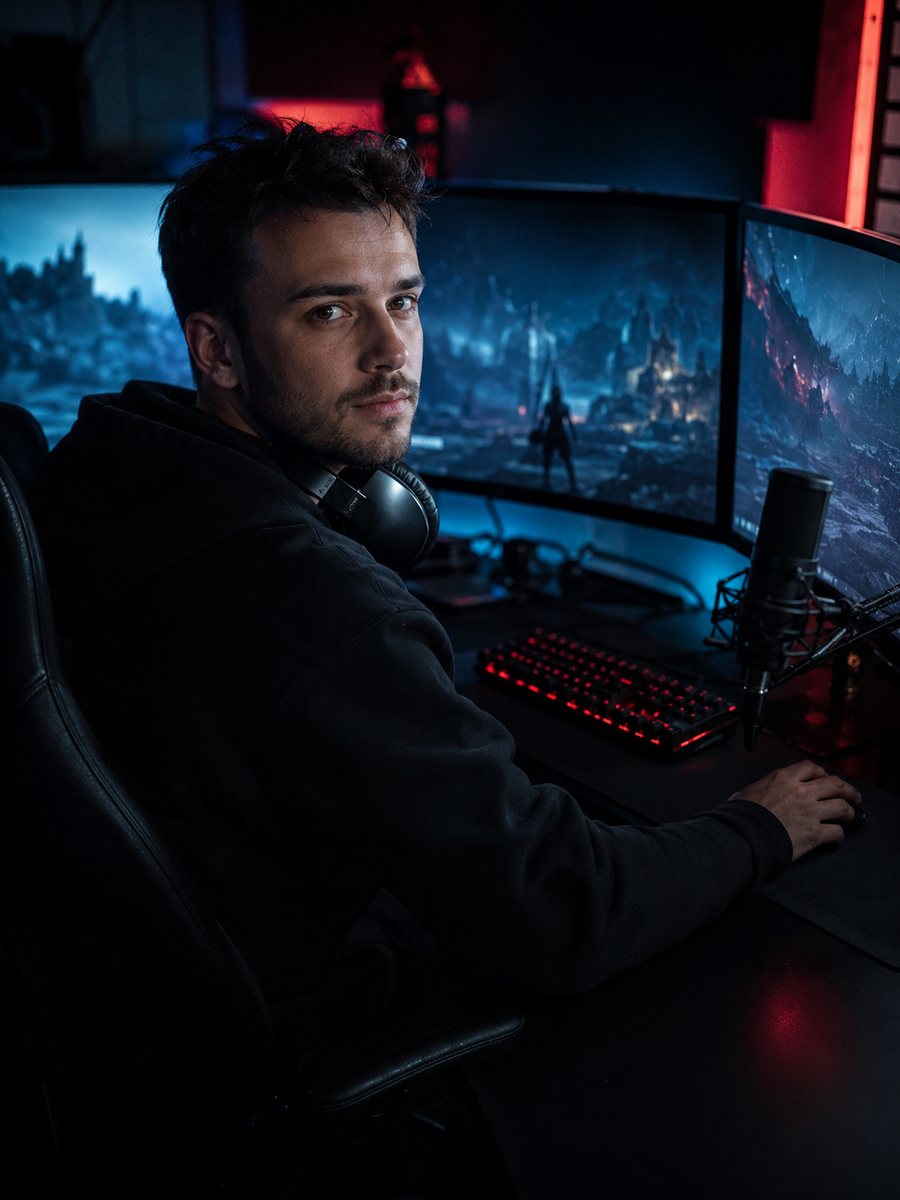
through it. A second-hand PC in a bedroom with the curtains taped shut, streaming to
four people at three in the morning.
None of it looked like much. All of it was dust. And dust, if you have ever watched it
hang in a spotlight, is the most beautiful material there is — it only needs somebody
to stand in the light with it.
“We are not a fashion label that also sells sofas. We are a workshop that
refuses to specialise — and a jacket, a kitchen island, a house and a livestream
are all answers to the same question: what does it feel like to be alive
inside this thing?”
Art is not a category. It is a way of finishing things.
Most companies decide what they are and then spend thirty years defending the border.
We went the other way. We asked what we actually loved doing — and the honest answer
was making. Cutting. Welding. Dyeing. Editing.
Building a room, a garment, a broadcast, a home. The medium changed. The obsession never did.
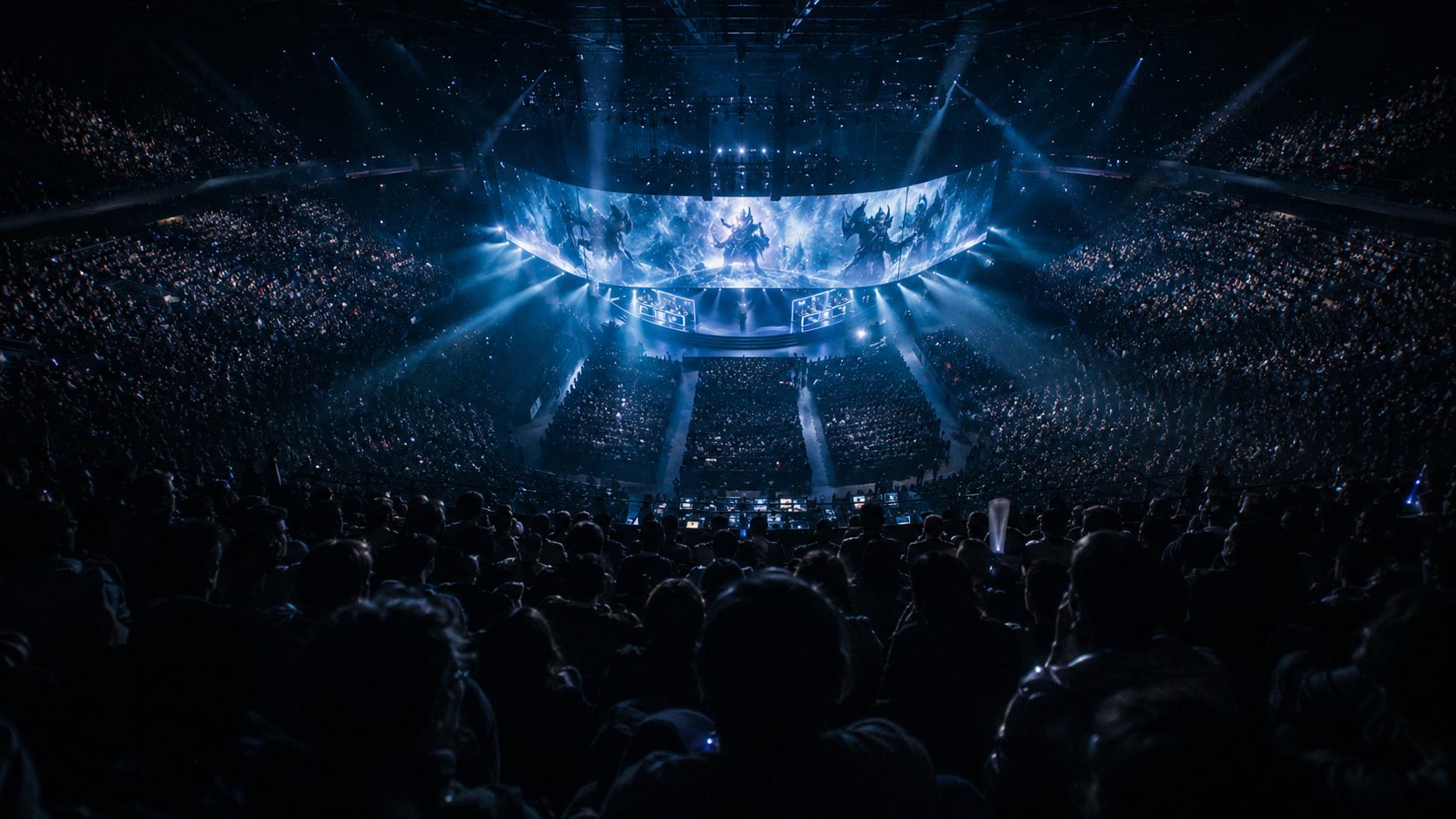
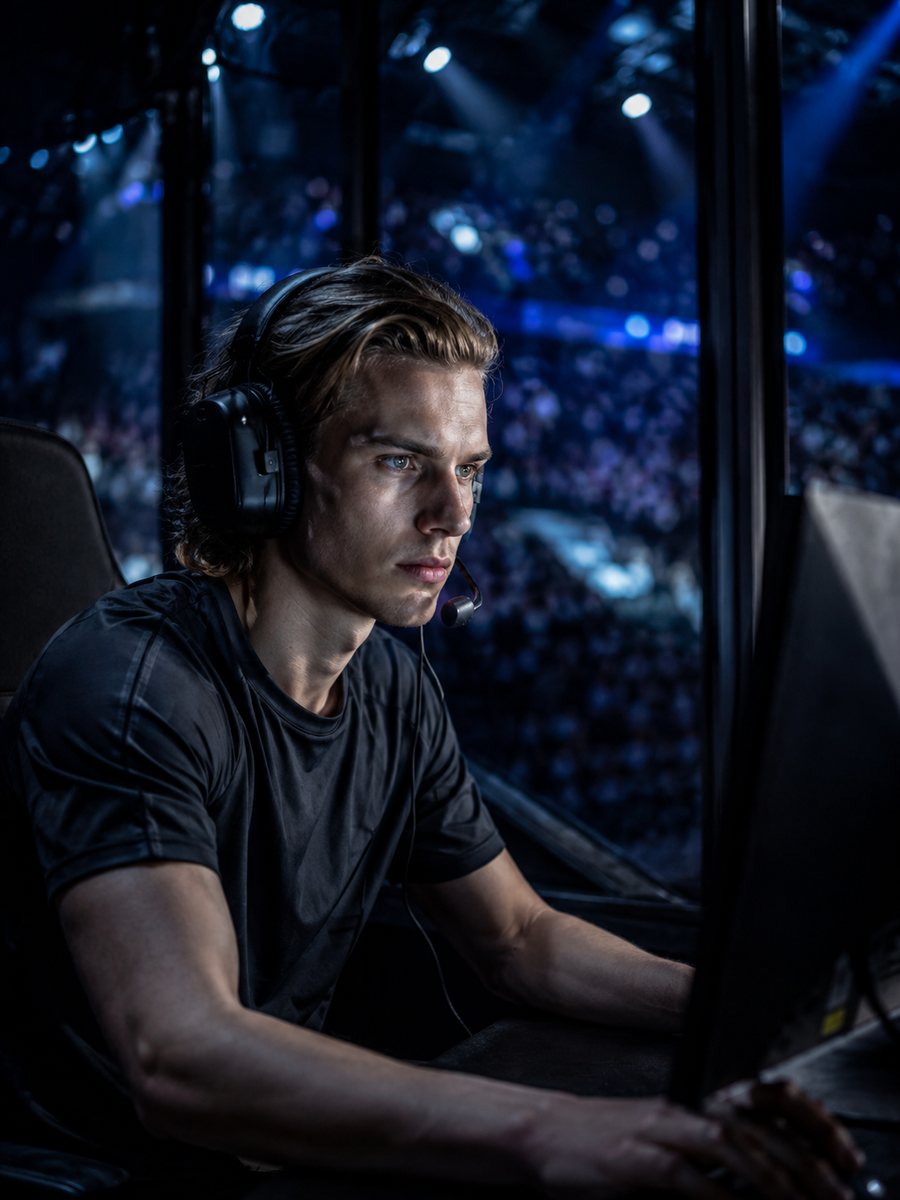
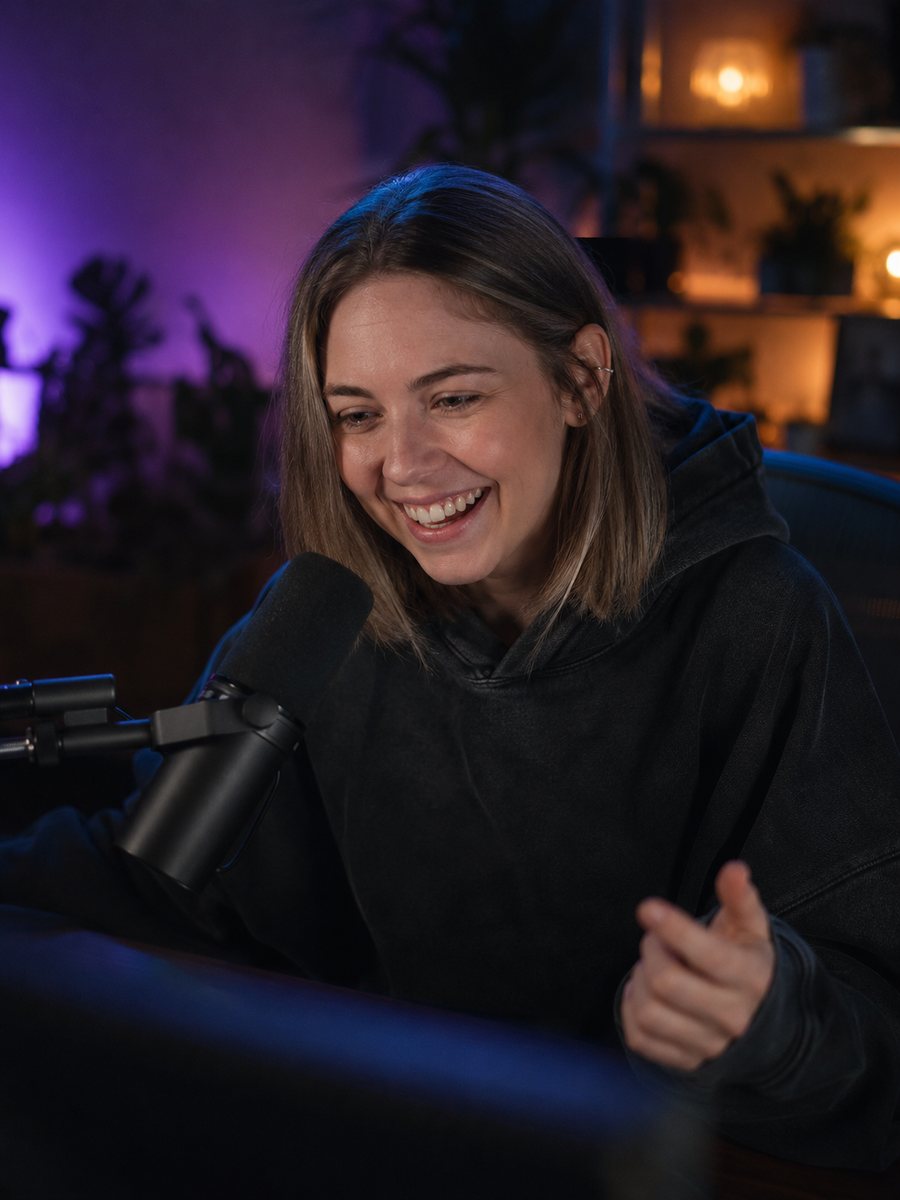
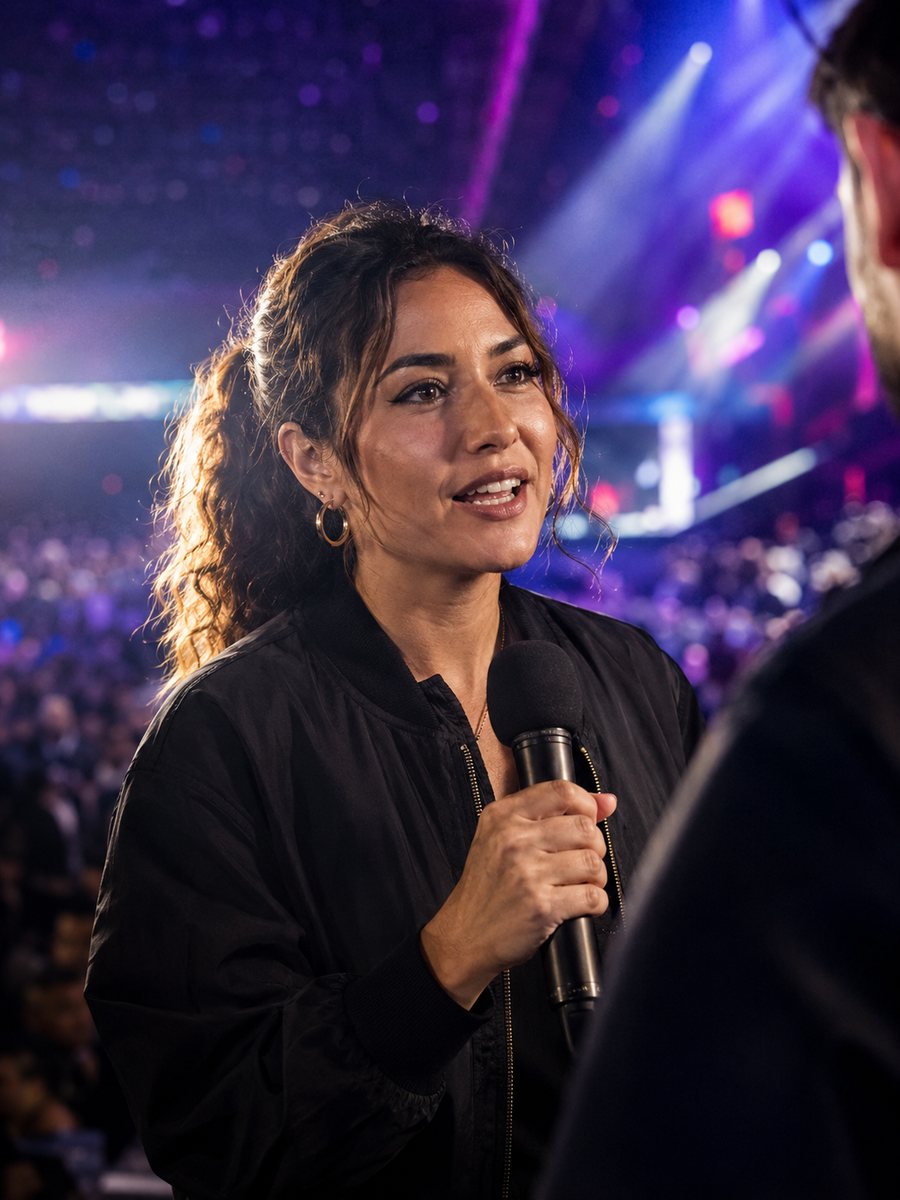
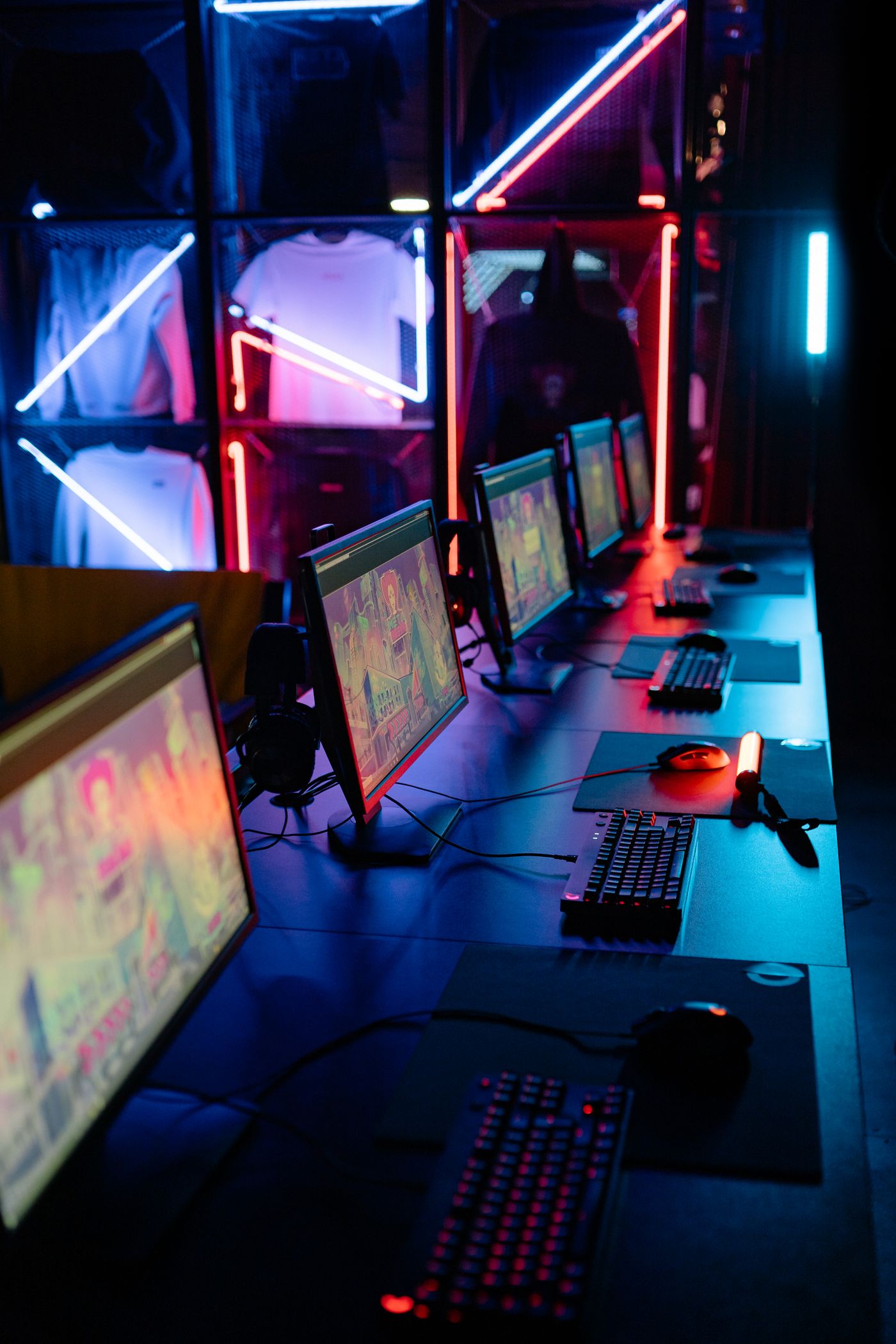
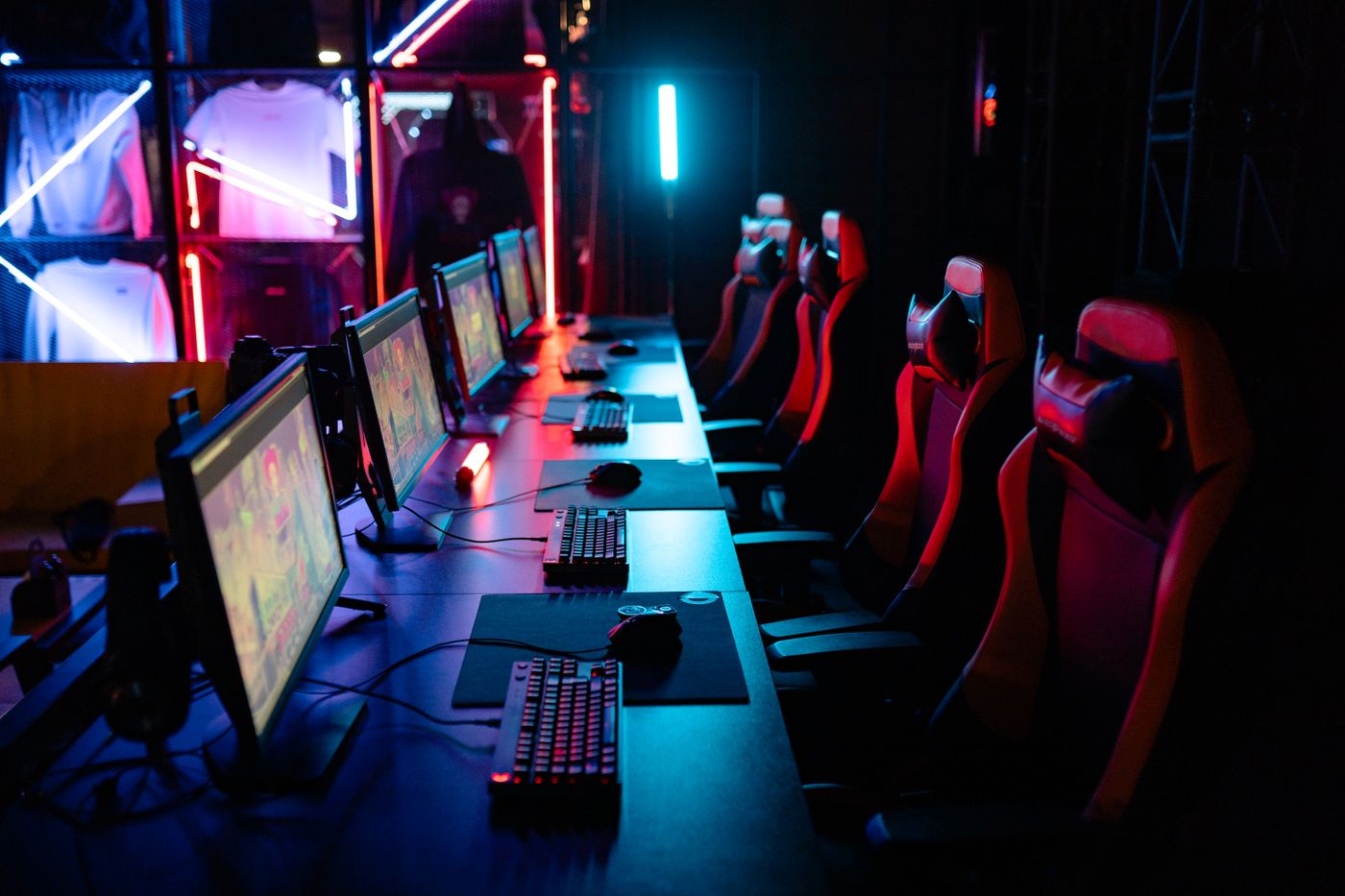
So we built four houses under one roof. A gaming and streaming operation that puts real
people in front of hundreds of thousands of them. A wearable-art studio where every single
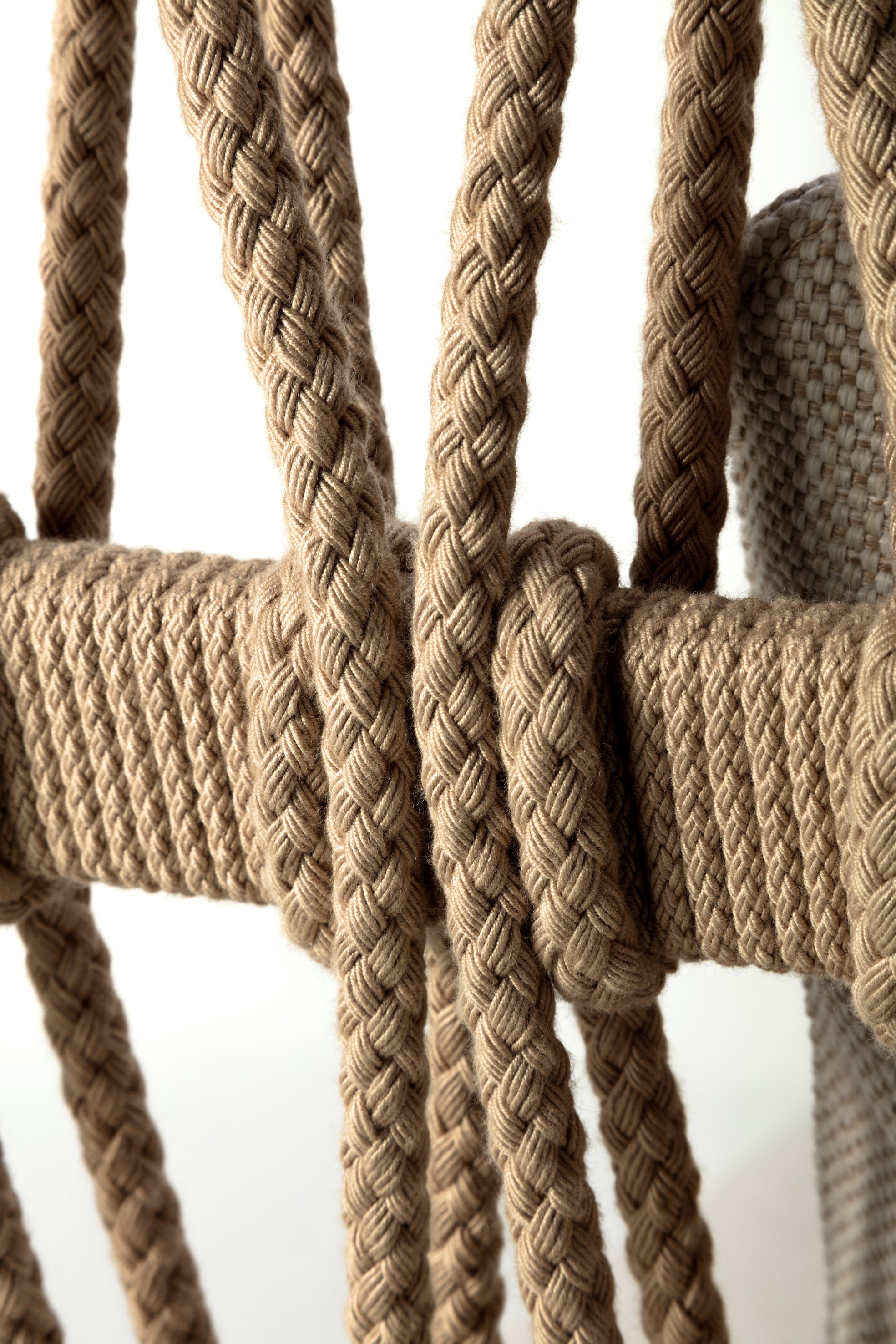
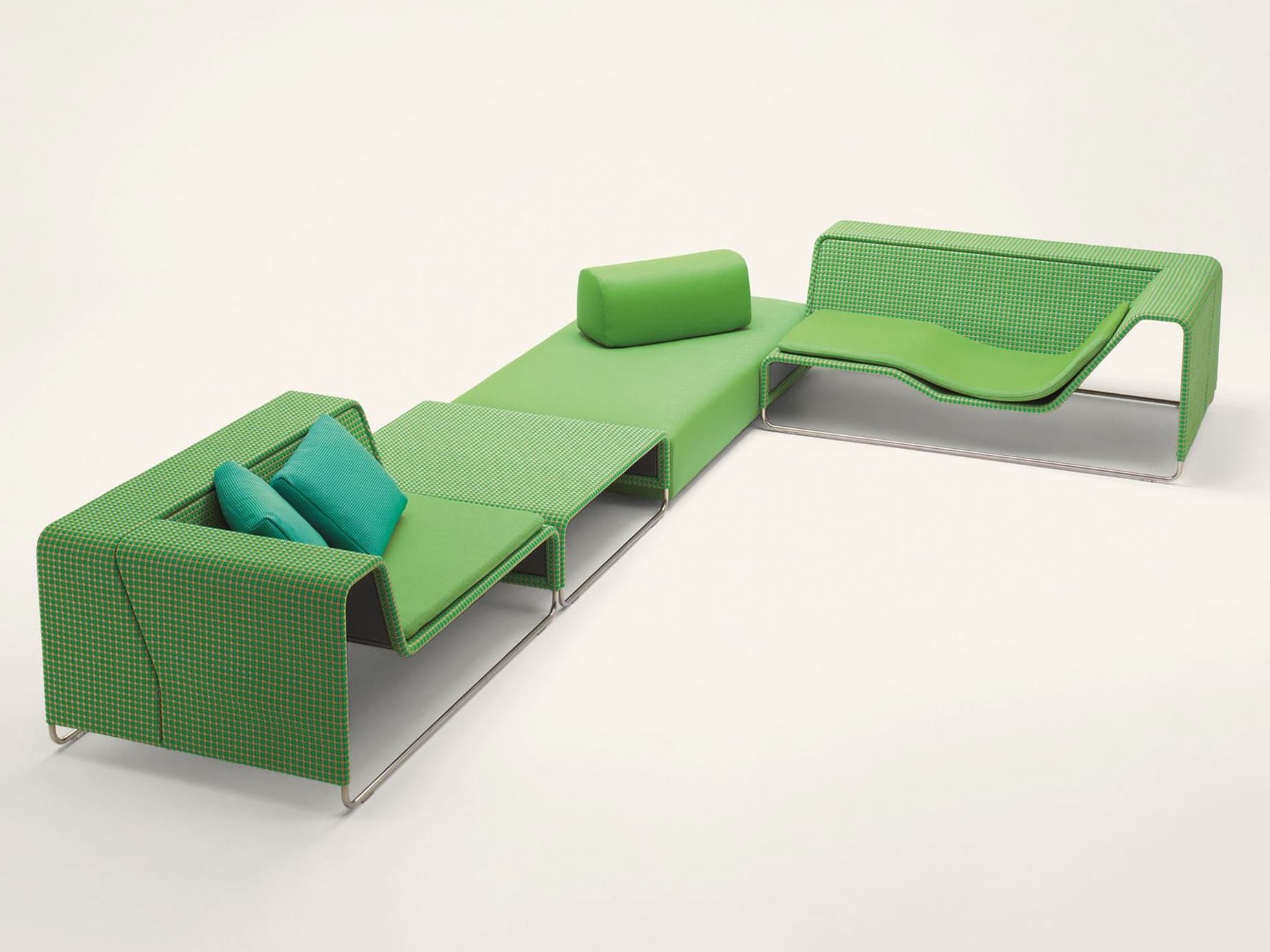
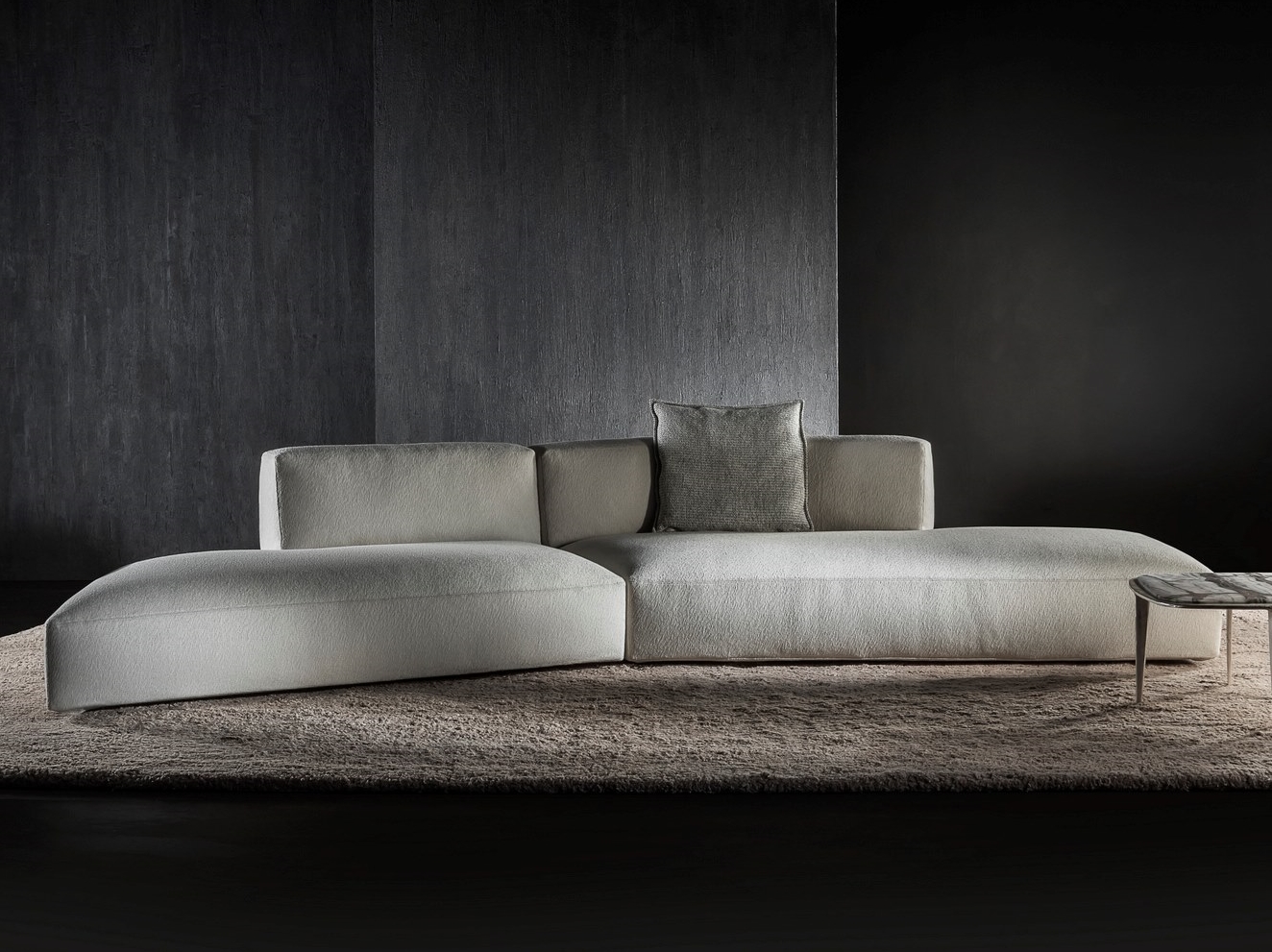
piece is one of one and nothing is ever repeated. A furniture manufactory where our own
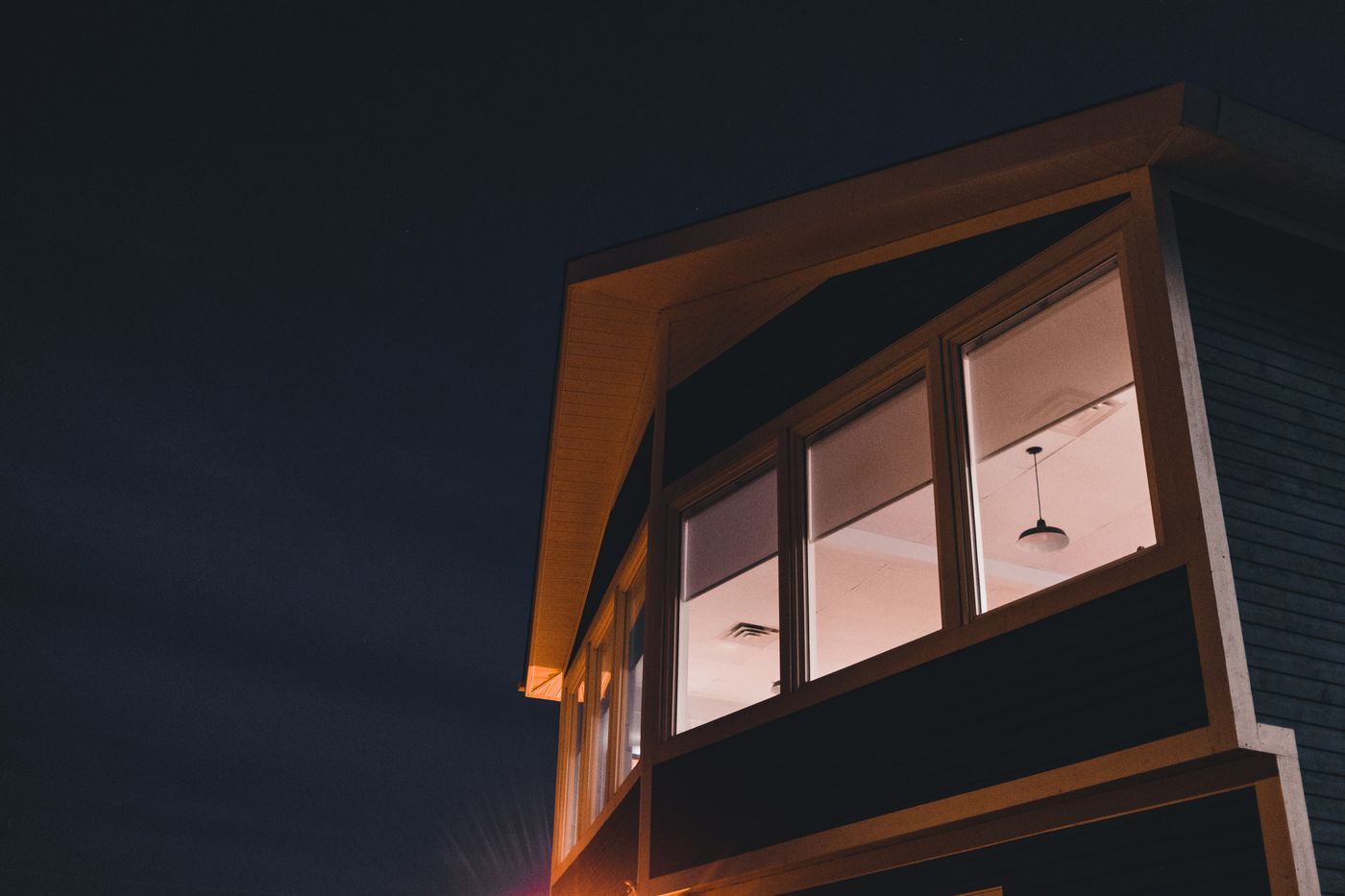
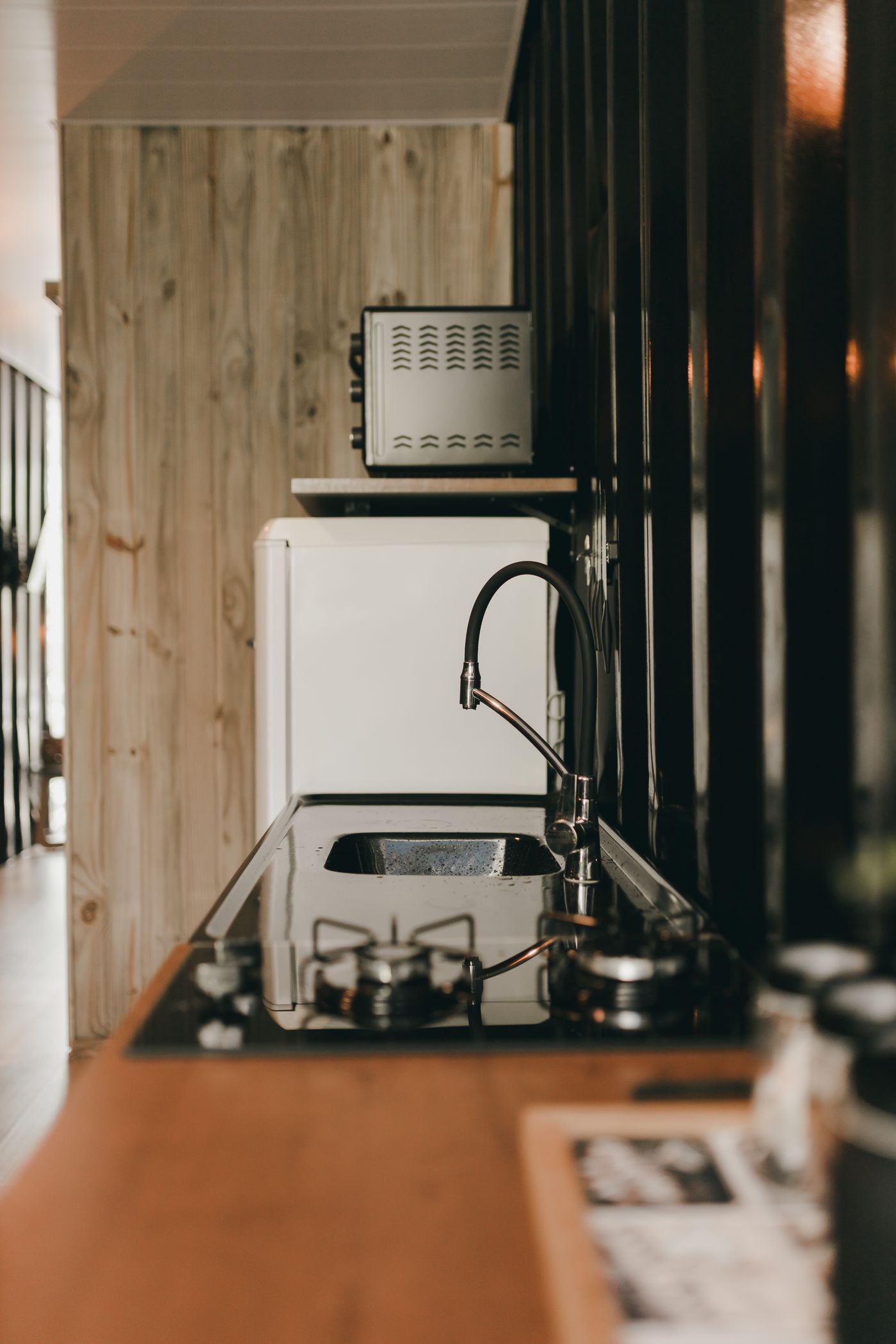
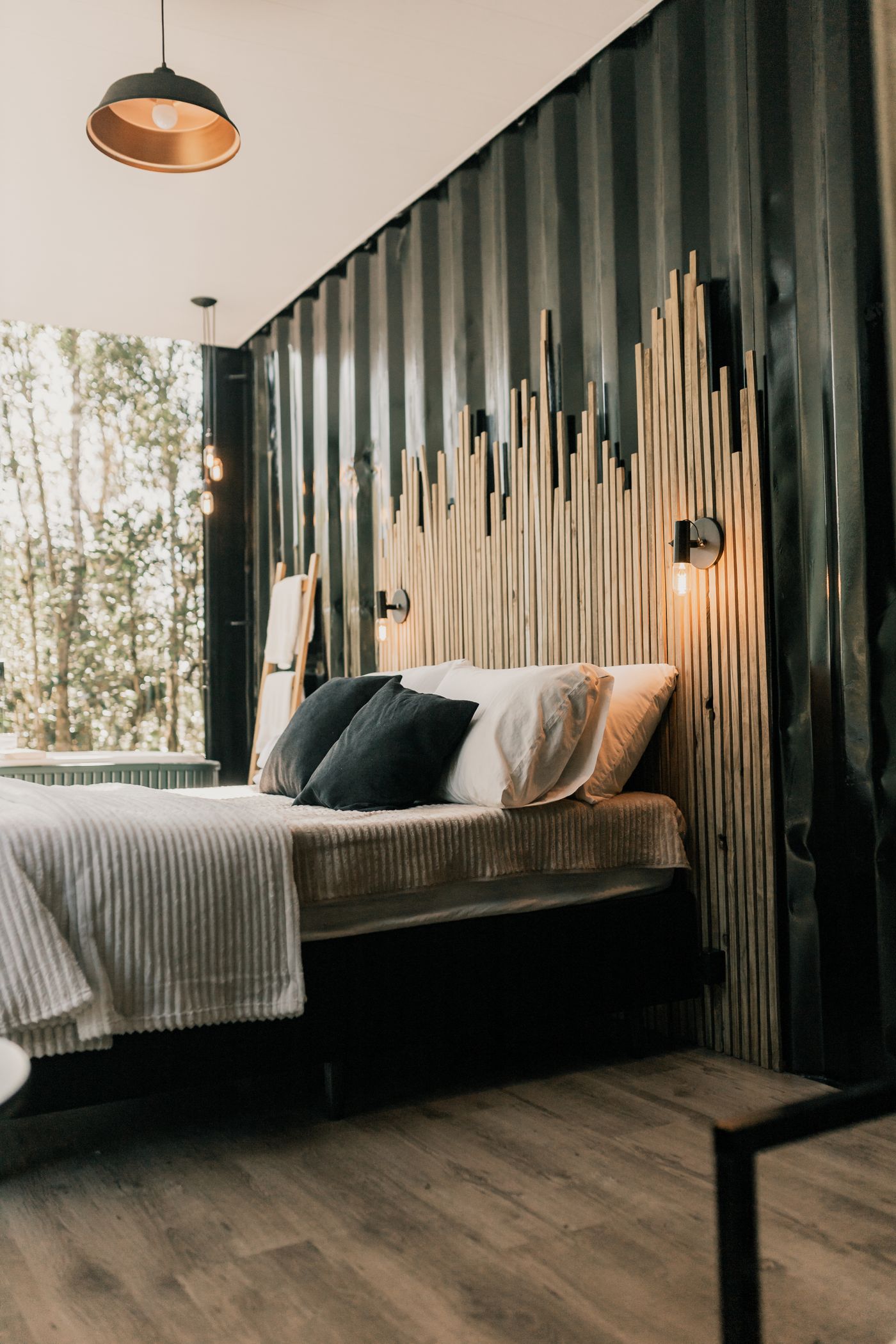
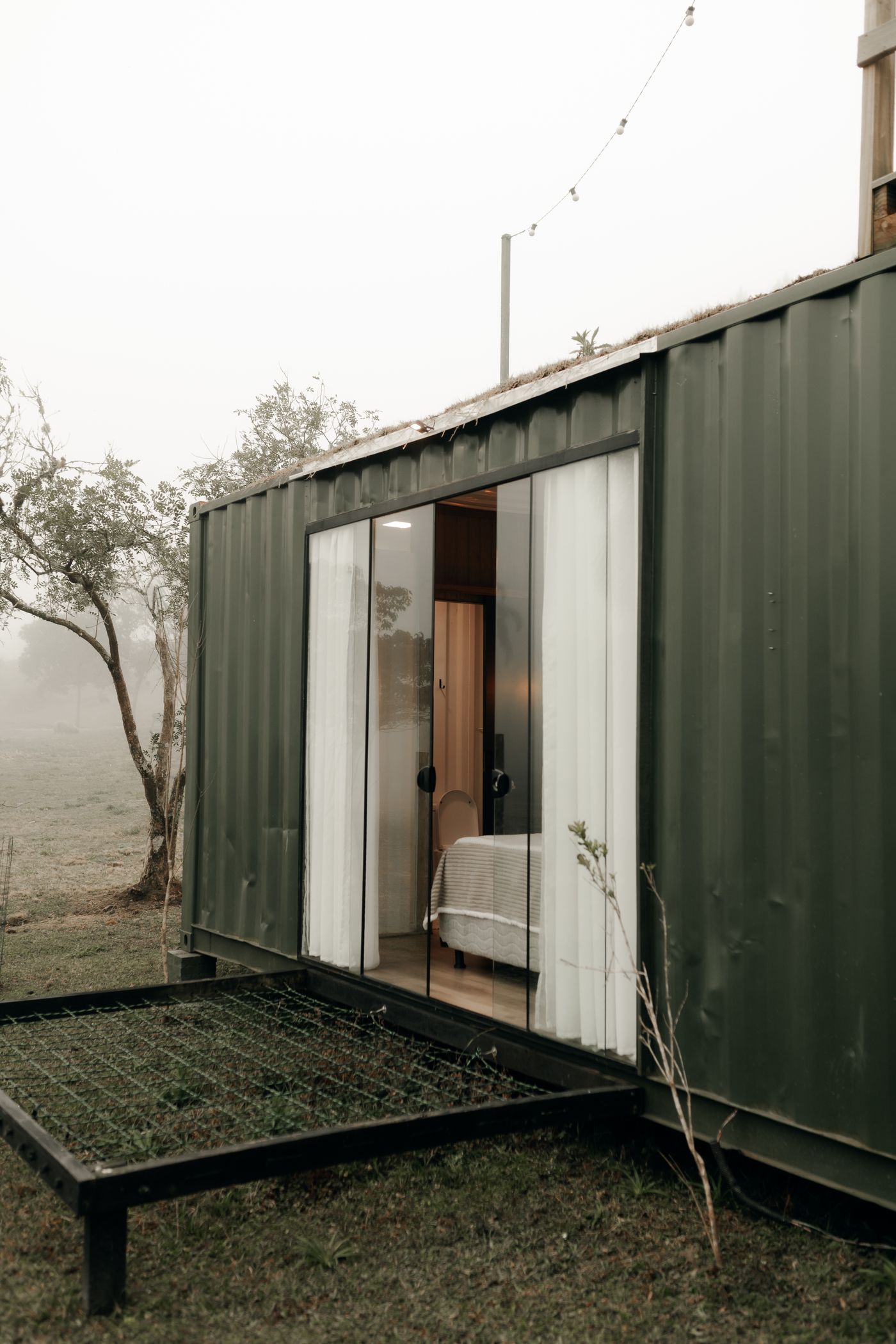
people in Rajasthan cut, forge and finish by hand. And an architecture arm that takes
forty-foot steel boxes and hands you back a house with underfloor heating and a view.
They look unrelated on a spreadsheet. Stand inside any one of them and they feel identical:
the same tolerance for mess, the same refusal to sand off the marks that prove a human
was there, the same belief that the flaw is usually the point.
What we will never do
We will never make the same thing twice on purpose. We will never hide the seam. We will
never pretend a machine did something a person did, or that a person did something a
machine did. And we will never take a project we would not want to live with ourselves —
which is, honestly, the only quality control anyone has ever needed.
01
Raw first
We start with what already exists. Salvage, upcycle, reclaim — then push it somewhere it has never been.
02
Hand last
A machine can get you to ninety percent. The last ten is always somebody's hands, and it is the only part anyone remembers.
03
One of one
Across every discipline: no two identical. Not as a marketing line — as a production constraint we impose on ourselves.